تواصل معنا
* معلوماتك الشخصية محمية بشكل آمن ولن يتم استخدامها إلا لأغراض الاتصالات التجارية.
مرحبا بكم في مدونتنا. نحن شركة تصنيع محترفة لآلات البناء، متخصصة في منصات الحفر عالية الأداء، والرافعات، والمعدات المدمجة للمشاريع الهندسية العالمية.
👉 تابعونا للحصول على آخر التحديثات ورؤى المشروع
👉 اتصل بنا للحصول على عروض أسعار سريعة وحلول الآلات المخصصة
ترقبوا مدونتنا لمزيد من الرؤى الصناعية والخبرة الهندسية.
في البنية التحتية الحديثة، واستكشاف الطاقة، وهندسة الموارد المائية، جهاز الحفر لقد أصبحت واحدة من أهم المعدات التي تؤثر على نجاح المشروع، وكفاءة التكلفة، والسلامة التشغيلية على المدى الطويل.
بدءًا من تركيب خطوط الأنابيب تحت الأرض في المناطق الحضرية وحتى حفر آبار المياه العميقة في المناطق النائية، تحدد تكنولوجيا الحفر بشكل مباشر ما إذا كان المشروع قد اكتمل في الوقت المحدد وفي حدود الميزانية.
وفقًا لتقرير عام 2024 الصادر عن الجمعية العالمية لمعدات البناء (GCEA)، انتهى 68% من مشاريع البنية التحتية تحت الأرض في جميع أنحاء العالم تعتمد الآن على أنظمة الحفر الآلية, استبدال طرق الحفر اليدوية التقليدية بسبب سرعتها ودقتها وتقليل الاضطراب البيئي.
تدمج منصات الحفر الحديثة ما يلي
وقد حول هذا التطور الحفر من عملية ميكانيكية إلى عملية ميكانيكية عملية هندسية تعتمد على البيانات.
يتم تصنيف منصات الحفر الحديثة على أساس الوظيفة وطريقة التداول والتصميم الهيكلي.
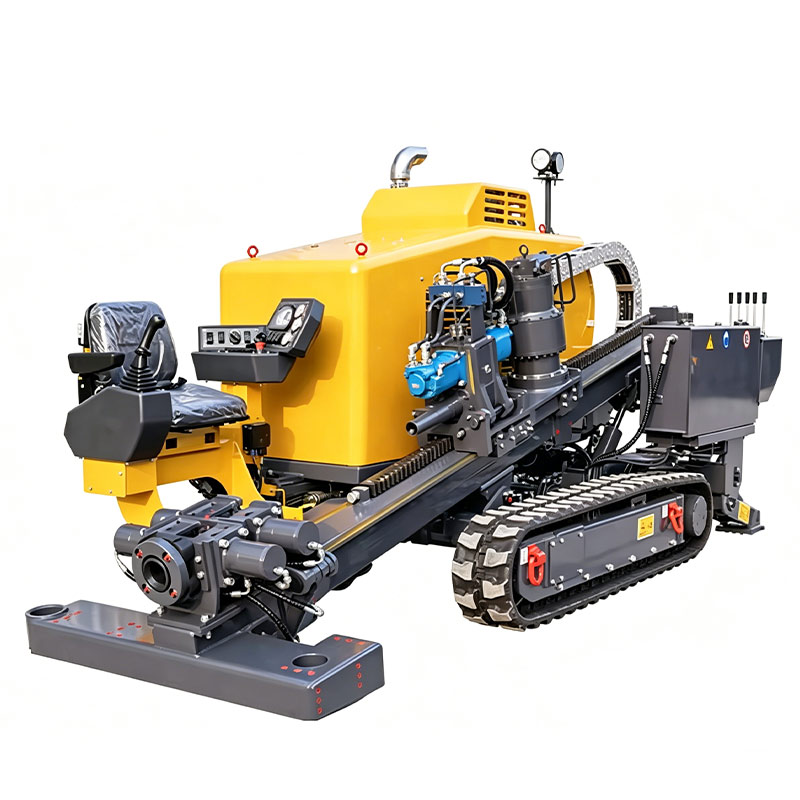
مصممة لتركيب خطوط الأنابيب تحت الأرض بدون خنادق دون حفر السطح.
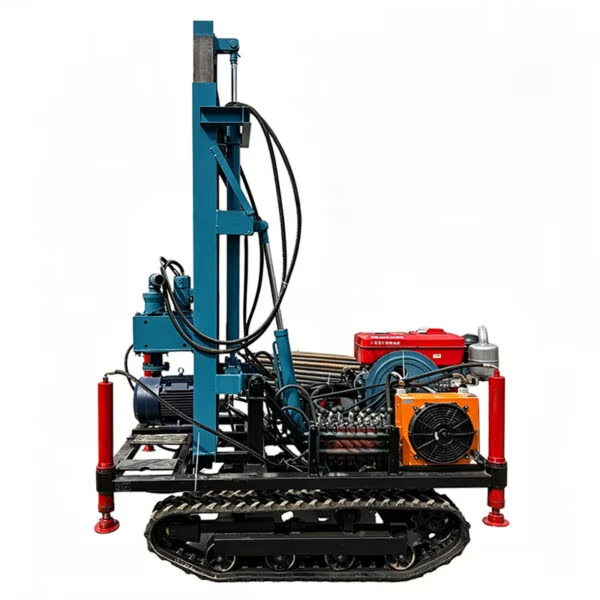
تستخدم للحفر العمودي في إمدادات المياه الزراعية والبلدية والصناعية.
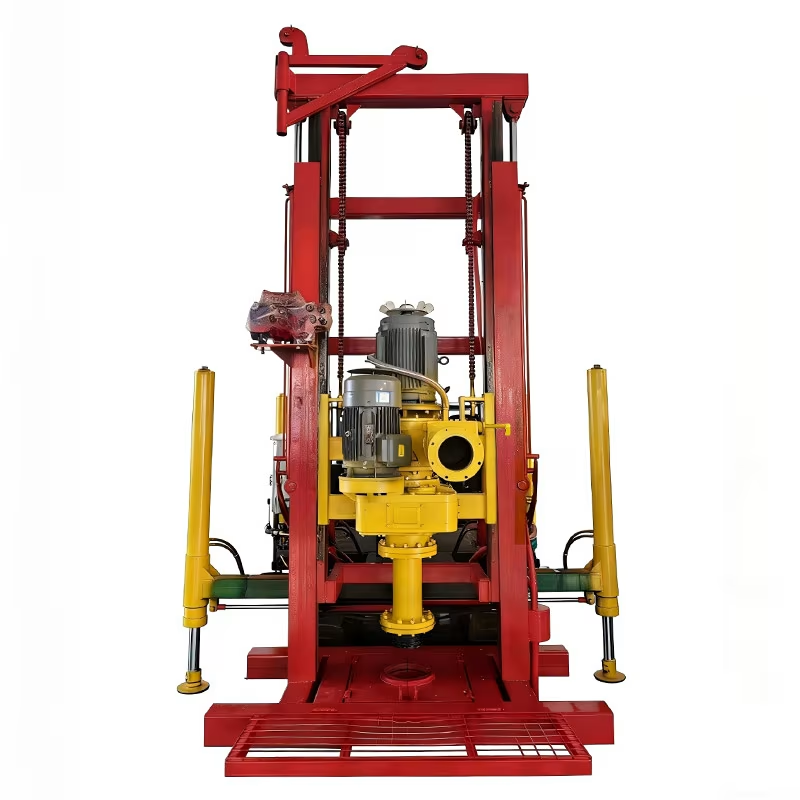
نظام حفر عميق عالي الكفاءة باستخدام إزالة القطع الداخلية.
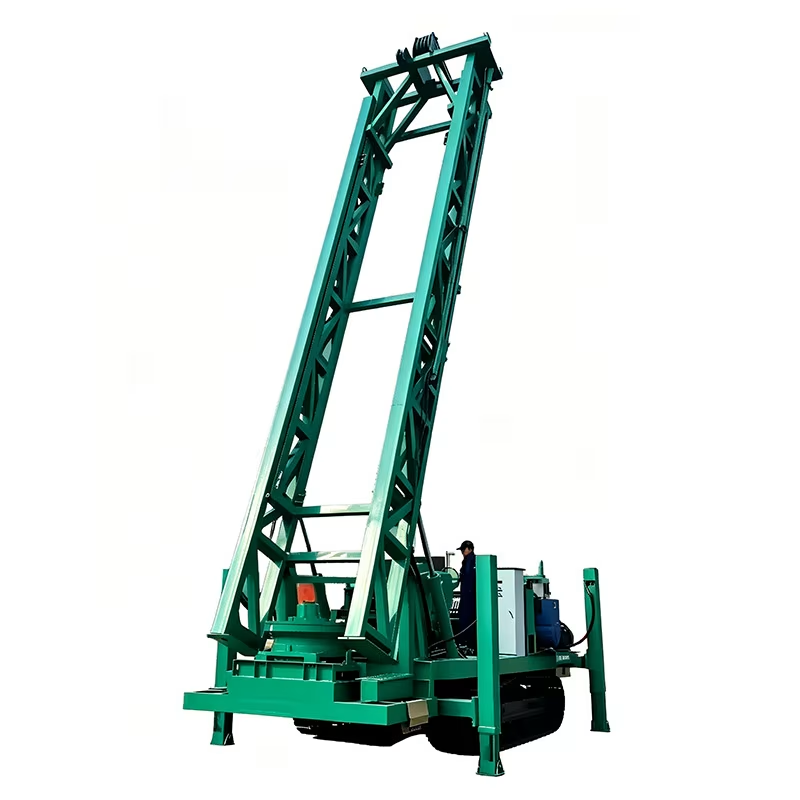
نظام تقليدي عالي عزم الدوران للآبار العميقة ذات القطر الكبير.
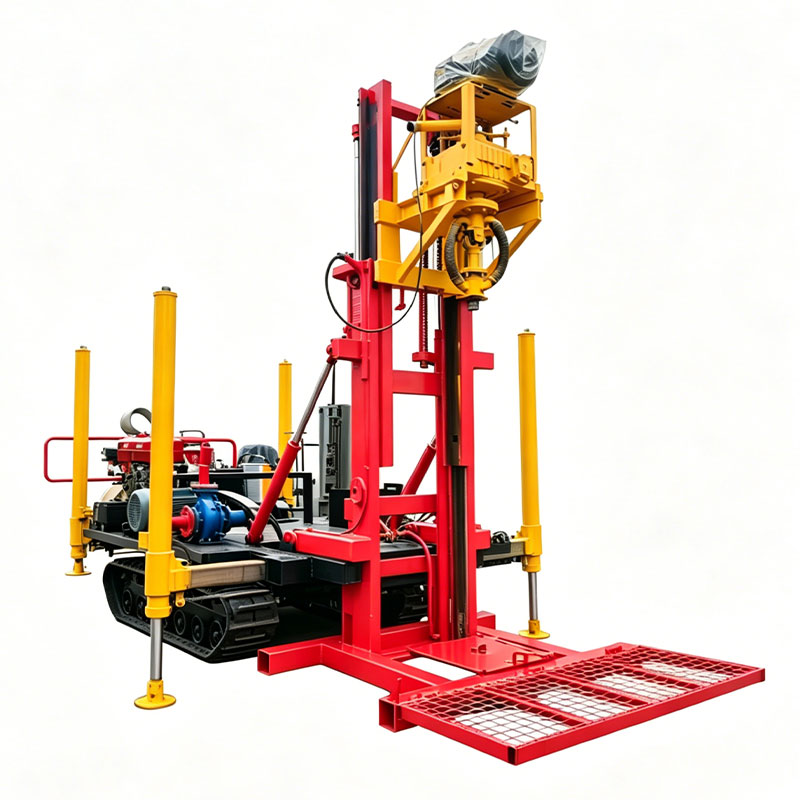
حل اقتصادي لتطبيقات الحفر ذات العمق الضحل إلى المتوسط.
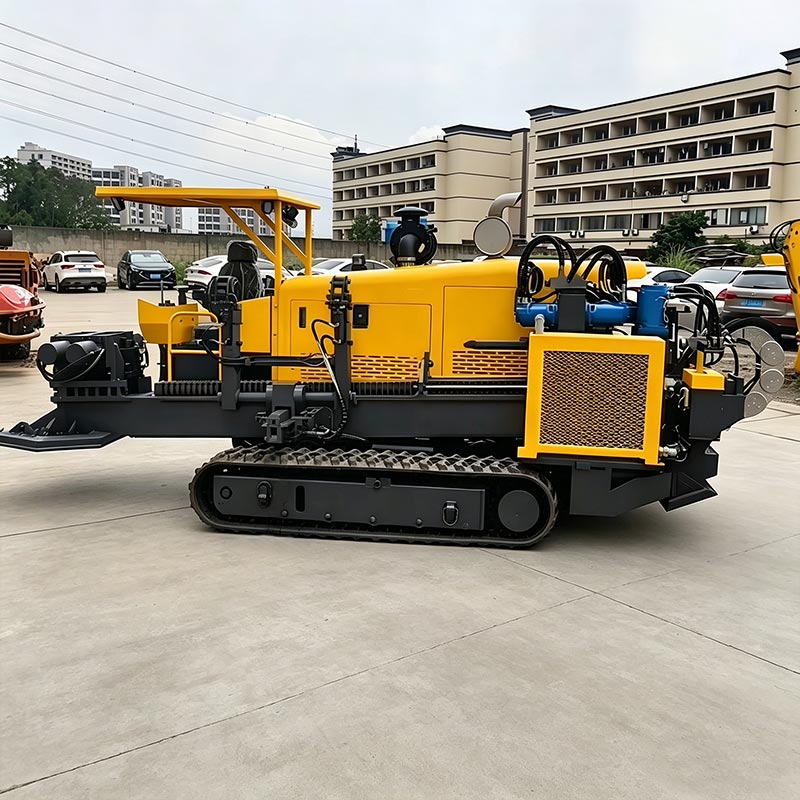
تم تصميم جهاز الحفر الاتجاهي الأفقي لـ تركيب خطوط الأنابيب غير الحفرية, ، مما يقلل بشكل كبير من اضطراب السطح.
وبدلاً من حفر الخنادق، يقوم النظام بالحفر تحت الأرض باستخدام التحكم الموجه في المسار.
يوفر ما يصل إلى قوة دفع 180 كيلو نيوتن, ، ضمان الاختراق من خلال التربة الكثيفة والتكوينات الجيولوجية المختلطة.
استخدام الأنظمة الحديثة التوجيه الكهرومغناطيسي ورسم الخرائط الرقمية, ، تقليل الانحراف إلى أقل من 1.5% في الظروف القياسية.
يسمح بالعمل على التضاريس غير المستوية، مما يزيد من قدرة الموقع على التكيف من خلال 40.60% مقارنة بالمنصات ذات العجلات.
| معلمة | قيمة |
|---|---|
| أقصى قوة سحب/دفع | 180 كيلو نيوتن |
| عزم الدوران | 8000 ن · م |
| عمق الحفر | 300 م |
| قوة المحرك | 75 كيلو واط |
| نوع النظام | الزاحف الهيدروليكي |
استخدم مشروع بلدي ألماني منصات حفر HDD للتركيب 1.2 كيلومتر من خطوط أنابيب المياه الجوفية أسفل الطريق السريع.
النتائج:
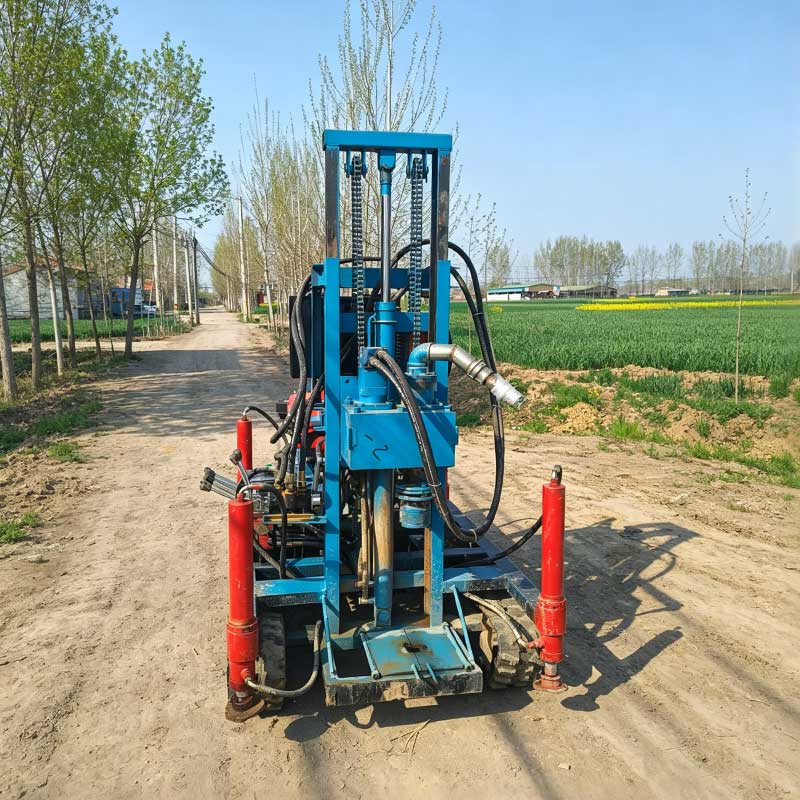
تم تصميم جهاز الحفر هذا لـ أنظمة استخراج المياه والري على نطاق صغير, ، وخاصة في البيئات الريفية أو الزراعية.
يستخدم نظام دفع هيدروليكي كامل للحفاظ على عزم دوران ثابت.
يعمل نظام الزاحف على تحسين القدرة على التكيف مع التضاريس من خلال ما يصل إلى 70% في الحقول الموحلة.
يتطلب عددًا أقل من المشغلين مقارنة بالأنظمة الدوارة، مما يقلل من تكلفة العمالة بنسبة 3045%.
استخدامات الحفر ذات الدوران العكسي أنابيب الحفر ثنائية القناة لنقل العقل إلى أعلى من خلال الدورة الدموية الداخلية، وزيادة الكفاءة.
يزيد من سرعة الحفر عن طريق 30.50% مقارنة بأجهزة التدوير المباشر.
يقلل من خطر الانهيار في تكوينات التربة الرخوة.
يدعم الحفر حتى قطر 1800 ملم, مثالية لهندسة الأساسات.
| معلمة | قيمة |
|---|---|
| عمق | ما يصل إلى 300 م |
| قطر | 300 بوصة 1800 ملم |
| نظام القيادة | هيدروليكي/كهربائي/ديزل |
| كسب الكفاءة | متوسط +45% |
استخدم مشروع البنية التحتية للمياه واسع النطاق منصات الدوران العكسي
تستخدم منصة الحفر من النوع القرصي أ نظام الطاولة الدوارة لنقل عزم الدوران مباشرة إلى سلسلة الحفر, ، مما يجعلها مناسبة للحفر العميق.
عزم الدوران العالي يتيح الحفر التكوينات الصخرية الصلبة والطبقات الجيولوجية الكثيفة.
يقلل الهيكل الميكانيكي من الاهتزاز ويحسن دقة البئر.
يتم ضخ سائل الحفر إلى أسفل أنبوب الحفر ويعود عبر المساحة الحلقية حاملاً العقل.
| معلمة | قيمة |
|---|---|
| عمق | 100300 م |
| قطر | 110.300 ملم |
| محرك | 25.55 كيلو واط |
| وزن | 2.8.4.5 طن |
يجب أن تتوافق منصات الحفر الحديثة مع المعايير الدولية
| عامل التكلفة | النسبة المئوية للتكلفة الإجمالية |
|---|---|
| شراء المعدات | 40% |
| الوقود والطاقة | 25% |
| صيانة | 20% |
| تَعَب | 10% |
| ينقل | 5% |
تعمل منصة الحفر عالية الجودة على تقليل تكلفة الصيانة طويلة المدى بما يصل إلى 35% على مدى 10 سنوات.
تشمل حالات فشل منصات الحفر الشائعة ما يلي:
الصيانة الوقائية تقلل من وقت التوقف عن العمل ما يصل إلى 60%.
محاكاة ظروف الحفر تحت الأرض في الوقت الحقيقي.
يضبط عزم الدوران والضغط تلقائيًا.
تتبع الاهتزاز ودرجة الحرارة وسرعة الحفر عن بعد.
تعد منصات التدوير العكسي هي الأكثر كفاءة للحفر العميق والقطر الكبير.
من الأفضل أن تكون منصات الحفر الاتجاهية الأفقية بسبب الحفر السطحي الصفري.
عادة 10 سنوات و20 سنة حسب كثافة الصيانة والاستخدام.
تعتبر أجهزة التدوير المباشر والحفارات الهيدروليكية الصغيرة هي الأكثر فعالية من حيث التكلفة.
نعم، تم تصميم أجهزة نوع القرص والدوران العكسي للتكوينات الصخرية الصلبة.
تطور ال صناعة منصات الحفر يعكس التحول نحو الأتمتة والكفاءة والاستدامة البيئية. يخدم كل نوع من أجهزة الحفر غرضًا هندسيًا محددًا بدءًا من الآبار الريفية الضحلة وحتى البنية التحتية الحضرية العميقة والأساسات الصناعية.
اختيار النظام الصحيح يتطلب الفهم:
لم تعد منصات الحفر الحديثة مجرد آلات أنظمة هندسية متكاملة تشكل تطوير البنية التحتية العالمية.