تواصل معنا
* معلوماتك الشخصية محمية بشكل آمن ولن يتم استخدامها إلا لأغراض الاتصالات التجارية.
مرحبا بكم في مدونتنا. نحن شركة تصنيع محترفة لآلات البناء، متخصصة في منصات الحفر عالية الأداء، والرافعات، والمعدات المدمجة للمشاريع الهندسية العالمية.
👉 تابعونا للحصول على آخر التحديثات ورؤى المشروع
👉 اتصل بنا للحصول على عروض أسعار سريعة وحلول الآلات المخصصة
ترقبوا مدونتنا لمزيد من الرؤى الصناعية والخبرة الهندسية.
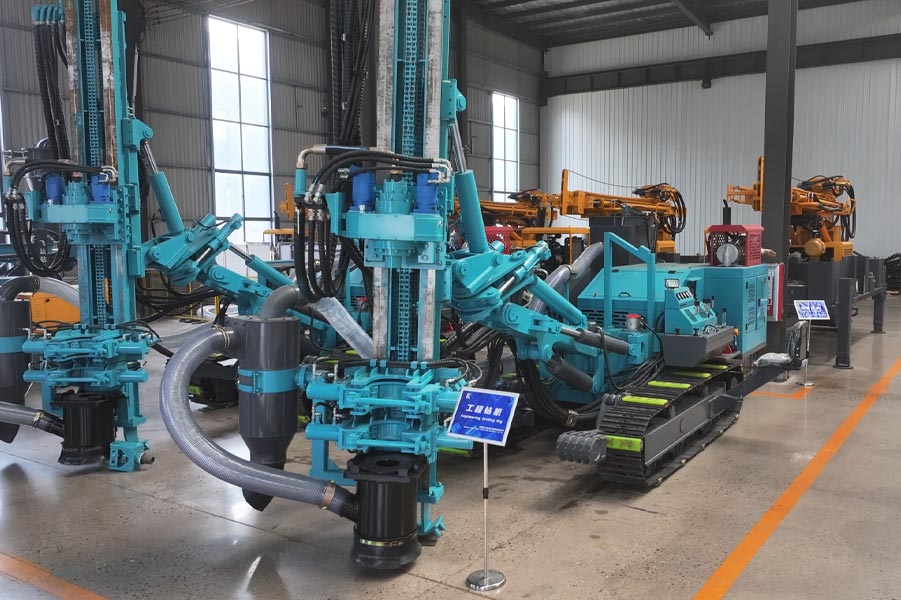
منصات حفر آبار المياه العميقة هم في طليعة الإدارة الحديثة للموارد المائية والري وتطوير البنية التحتية. ومع تزايد الطلب العالمي على المياه، تطورت تكنولوجيا الحفر لضمان أقصى قدر من الكفاءة والسلامة وفعالية التكلفة. في عام 2026، يجب على المهندسين ومديري المشاريع فهم القدرات الكاملة والمواصفات الفنية والمزايا التشغيلية لمختلف منصات حفر آبار المياه العميقة لاتخاذ قرارات مستنيرة.
الوجبات الرئيسية لهذا الدليل:
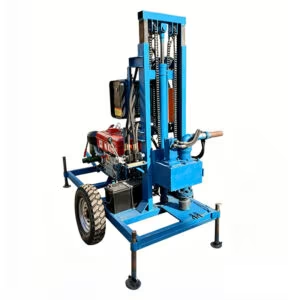
نظرة عامة على المفهوم:
تم تصميم الحفارات المحمولة المثبتة على عجلات لمشاريع إمدادات المياه الصغيرة الحجم، وتوفر المرونة والإعداد السريع وسهولة النقل عبر المواقع الريفية أو الزراعية.
أبرز المعالم الفنية:
المزايا الهندسية:
يضمن نظام الرفع الهيدروليكي مزدوج السلسلة الاستقرار أثناء التشغيل. تعتبر هذه المنصة فعالة بشكل خاص لآبار المياه المنزلية وأنظمة الري والحفر الجيولوجي للتكوينات الناعمة.
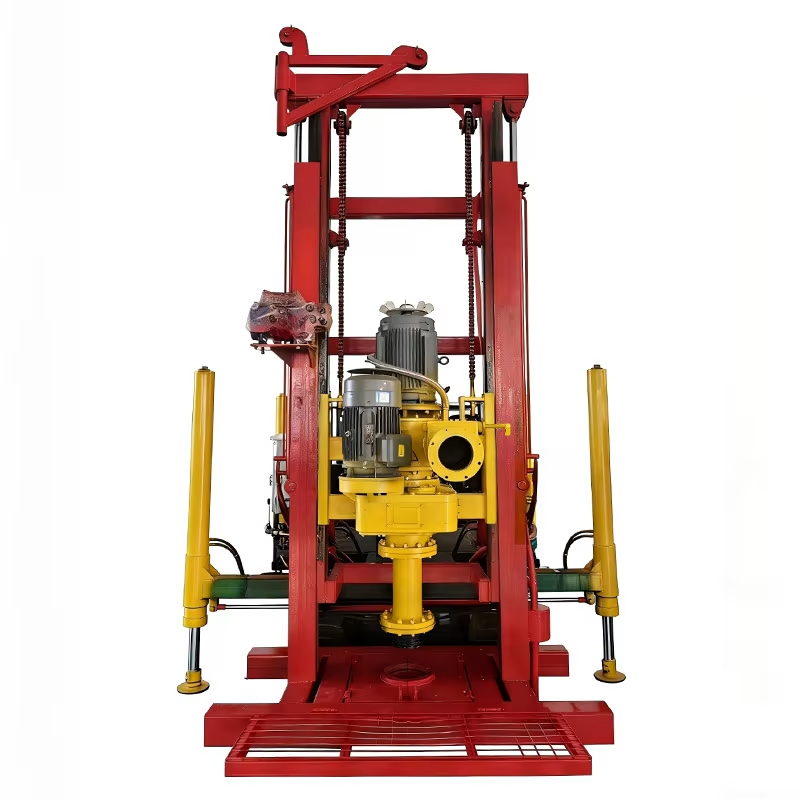
نظرة عامة على المفهوم:
تُستخدم منصات التدوير العكسي في مشاريع آبار المياه العميقة ذات القطر الكبير، حيث تقوم بتفريغ القطع من خلال أنبوب الحفر لتعزيز سرعة الحفر وآبار أنظف.
المواصفات الفنية:
البصيرة التشغيلية:
تعمل تقنية التدوير العكسي على تقليل مقاومة الحفر وتحسين كفاءة إزالة القطع. وفقا ل مجلة الحفر الهيدروليكي (2025)، يمكن لمنصات التدوير العكسي تحقيق اختراق أسرع يصل إلى 30% في تكوينات التربة الصلبة مقارنة بمنصات التدوير المباشر.
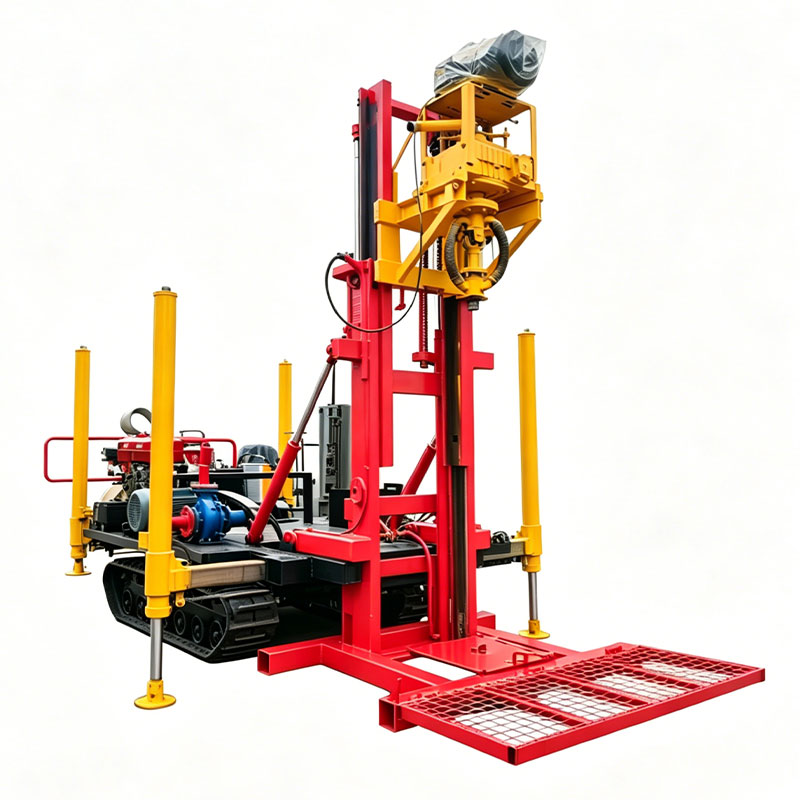
نظرة عامة على المفهوم:
منصات مثبتة على الزاحف تستخدم دوران الطين للحفر الضحل إلى المتوسط العمق. أنها توفر أداءً موثوقًا به في التربة الناعمة والتكوينات الصخرية التي تعرضت للعوامل الجوية.
المواصفات الرئيسية:
التطبيقات الهندسية:
مثالية لإمدادات المياه الريفية، وري الأراضي الزراعية، ومشاريع الهندسة المدنية الصغيرة. يضمن الهيكل من النوع الزاحف الاستقرار على التضاريس غير المستوية.
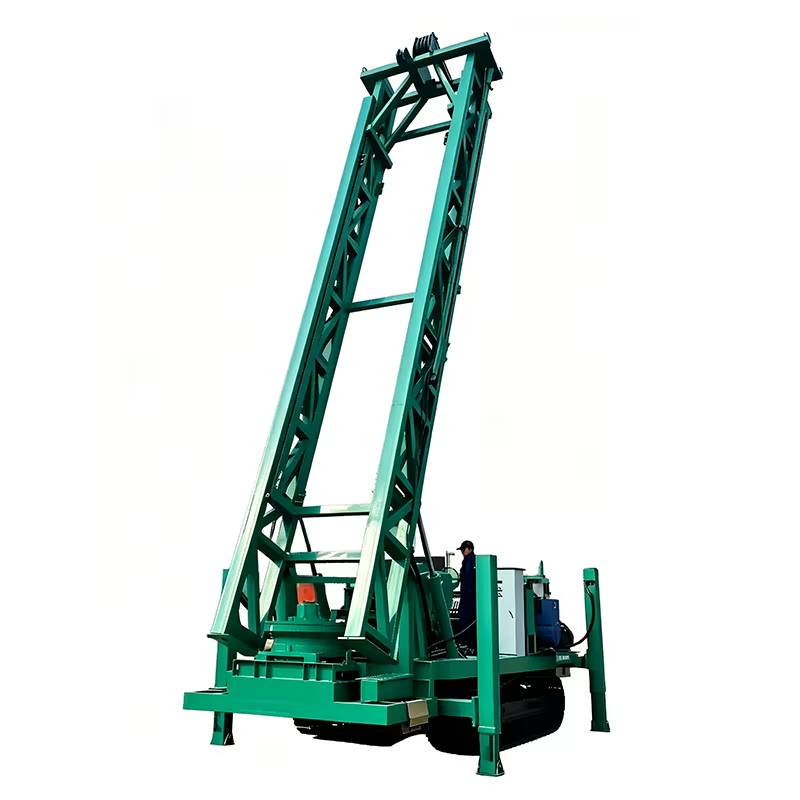
نظرة عامة على المفهوم:
تجمع هذه المنصة التقليدية بين تقنية القرص الدوار والمحرك الهيدروليكي ودوران الطين الإيجابي. مناسبة للحفر المتوسط والعميق.
المواصفات الفنية:
المزايا التشغيلية:
تعمل الدورة الإيجابية للطين على تحسين كفاءة إزالة الخبث وتقليل مقاومة الحفر. يستخدم هذا الجهاز على نطاق واسع للري ونزح المياه من الآبار وبناء الأساسات.
| نوع تلاعب | نطاق العمق | قطر الثقب | نوع القيادة | التشكيل المناسب | ميزة خاصة |
|---|---|---|---|---|---|
| محمولة على عجلات | 60.100 م | 150.300 ملم | هيدروليكي/ديزل | التربة والطين والرمل | الإعداد السريع، والانتشار الريفي |
| عكس التداول | 50.300 م | 300 بوصة 1800 ملم | هيدروليكي/كهربائي/ديزل | الصخور الناعمة، المرصوفة بالحصى، الطبقات الفضفاضة | حفر سريع، إزالة القطع بكفاءة |
| التداول المباشر | 100300 م | 110.300 ملم | هيدروليكي/ديزل | التربة والرمال والصخور المتعرضة للعوامل الجوية | فعالة من حيث التكلفة، ومستقرة على أرض ناعمة |
| نوع القرص | 100800 م | 300 بوصة 1200 ملم | هيدروليكي | التربة، الرمال، الحصى، الصخور الناعمة | كفاءة عالية، حفر عميق |
تسمح الأنظمة الهيدروليكية بعزم دوران وقوة رفع متسقة، مما يقلل من التآكل وفقدان الطاقة مقارنة بمحركات الأقراص الميكانيكية.
توفر الحفارات المثبتة على العجلات نقلًا سريعًا، بينما توفر الحفارات المثبتة على الزاحف الاستقرار على التضاريس غير المستوية. يعمل كلا التصميمين على تحسين جدولة المشروع وتقليل وقت التوقف عن العمل.
نظرة عامة على المفهوم:
يأخذ تقييم دورة الحياة في الاعتبار التكاليف الأولية والصيانة واستهلاك الطاقة والموثوقية التشغيلية.
البصيرة الهندسية:
يوفر الاستثمار في منصات التدوير العكسي التي تعمل بالطاقة الهيدروليكية وفورات طويلة الأجل في مشاريع الري والمشاريع الصناعية واسعة النطاق.
في عام 2026،, منصات حفر آبار المياه العميقة لقد تطورت إلى آلات عالية الكفاءة وقابلة للتكيف ومستدامة قادرة على تلبية الطلب العالمي على المياه. بدءًا من الوحدات المحمولة المثبتة على عجلات وحتى أجهزة التدوير العكسي المتقدمة وأجهزة الحفر على شكل أقراص، يمكن للمهندسين اختيار أفضل منصة وفقًا للتشكيل والعمق وحجم المشروع. يضمن دمج الكفاءة الهيدروليكية والصيانة التنبؤية والامتثال البيئي إكمال المشاريع بأمان وفعالية من حيث التكلفة وبشكل مستدام.
التوقعات المستقبلية:
ومع تحول الحفر المعتمد على الذكاء الاصطناعي، والمحركات منخفضة الانبعاثات، وأجهزة الاستشعار الذكية إلى معايير قياسية، فإن الجيل القادم من منصات حفر آبار المياه العميقة سيوفر دقة وسلامة وإنتاجية غير مسبوقة لإدارة موارد المياه ومشاريع الهندسة المدنية في جميع أنحاء العالم.
أ1: أجهزة الدوران العكسي والأقراص، خاصة تلك التي تحتوي على لقم حفر من كربيد التنغستن.
أ2: عادة لا؛ تم تحسينها للآبار الضحلة صغيرة الحجم.
أ3: استخدم منصات مثبتة على الزاحف مع قطع غيار مُجهزة مسبقًا وأنظمة هيدروليكية معيارية.
أ4: نعم، توفر الأنظمة الهيدروليكية عزم دوران ثابتًا مع استهلاك أقل للوقود.
أ5: معايير إدارة الجودة ISO 9001 ومعايير السلامة البيئية والمهنية المحلية ISO 14001 للحفر.