بيانات أداء الحفر الحقيقية، وقدرة العمق، ومعايير الكفاءة
معايير الصناعة (ISO، API، ASTM) المطبقة على اختيار معدات الحفر
هيكل التكلفة، وتحليل عائد الاستثمار، واستراتيجية صيانة دورة الحياة
حالات هندسية في العالم الحقيقي من المشاريع الزراعية والبلدية والصناعية
أسئلة المشتري الشائعة بناءً على سلوك البحث والعمليات الميدانية
إطار الاختيار الفني للظروف الجيولوجية المختلفة
مقدمة
حديث جهاز حفر آبار المياه لم تعد مجرد آلة حفر ميكانيكية، بل هي نظام هندسي هيدروليكي متكامل تمامًا يحدد بشكل مباشر كفاءة الحفر واستقرار البئر والتكلفة الإجمالية للمشروع.
وفقًا لتقارير البنية التحتية العالمية للمياه لعام 2024 (مراجعة بيانات المياه والإنشاءات الهندسية للبنك الدولي)، أكثر من يعاني 2.3 مليار شخص على مستوى العالم من ندرة المياه الموسمية, ، دفع الاستثمار السريع في أنظمة حفر المياه الجوفية.
تظهر النتائج الهندسية الرئيسية:
يمكن أن يؤدي الاختيار غير الصحيح للحفر إلى زيادة تكلفة الحفر 25% تشديد60%
تعمل أنظمة الدوران غير الفعالة على تقليل سرعة الحفر ما يصل إلى 35%
تعمل الحفارات الهيدروليكية المتقدمة على تحسين كفاءة الطاقة من خلال 20% على التردد 40%
تعمل مطابقة منصة الحفر المناسبة على زيادة عمر البئر بمقدار 5.52 سنة
وهذا يجعل اختيار الحق جهاز حفر آبار المياه قرار هندسي حاسم وليس خيار شراء بسيط.
الإطار الهندسي القياسي العالمي لجهاز حفر آبار المياه
تعمل أجهزة التدوير العكسي على تقليل التكلفة الإجمالية للملكية بمقدار 15.30% في المشاريع واسعة النطاق.
دراسات حالة الصناعة (الدليل الهندسي)
الحالة 1: مشروع التوسع الزراعي في الشرق الأوسط
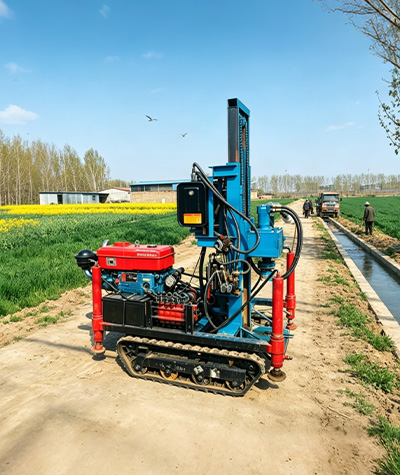
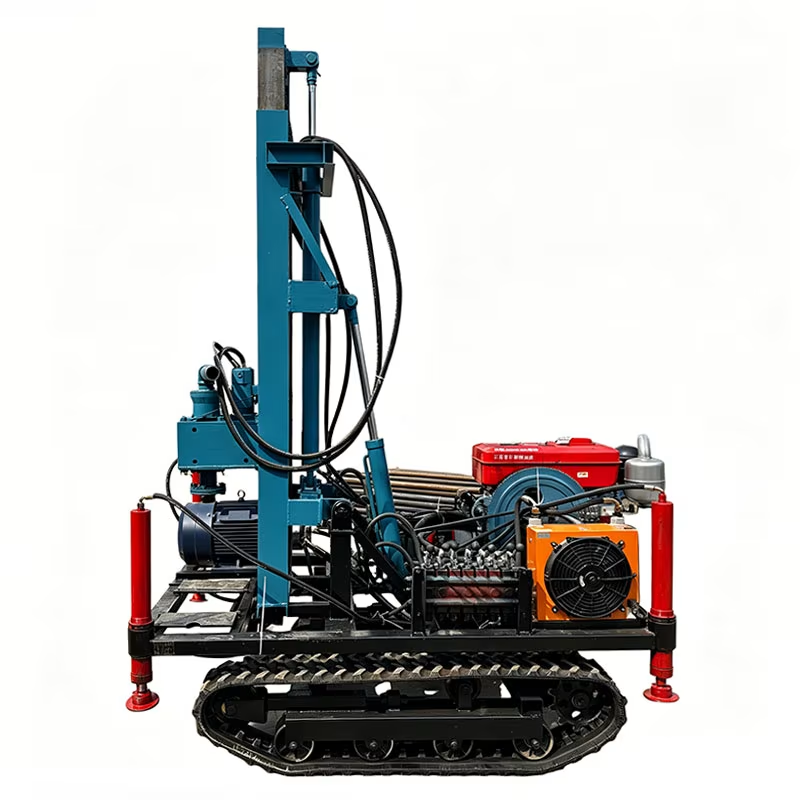
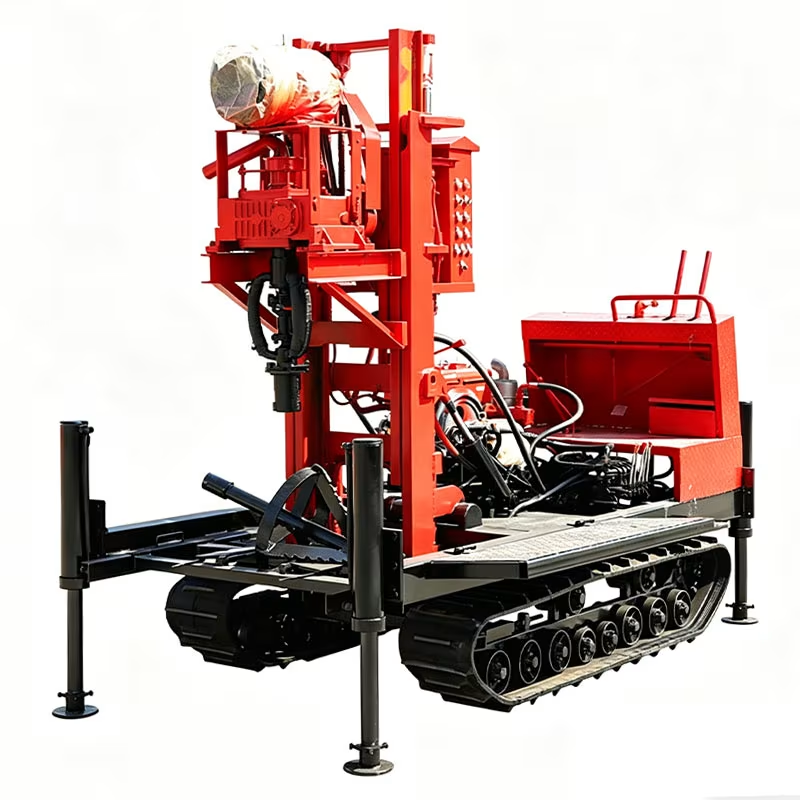
منصة الحفر: منصة حفر آبار المياه المثبتة على الزاحف
التربة: رملية + مزيج طيني
النتيجة: سرعة حفر أسرع 32%
الحالة 2: البرنامج الأفريقي لإمدادات المياه الريفية
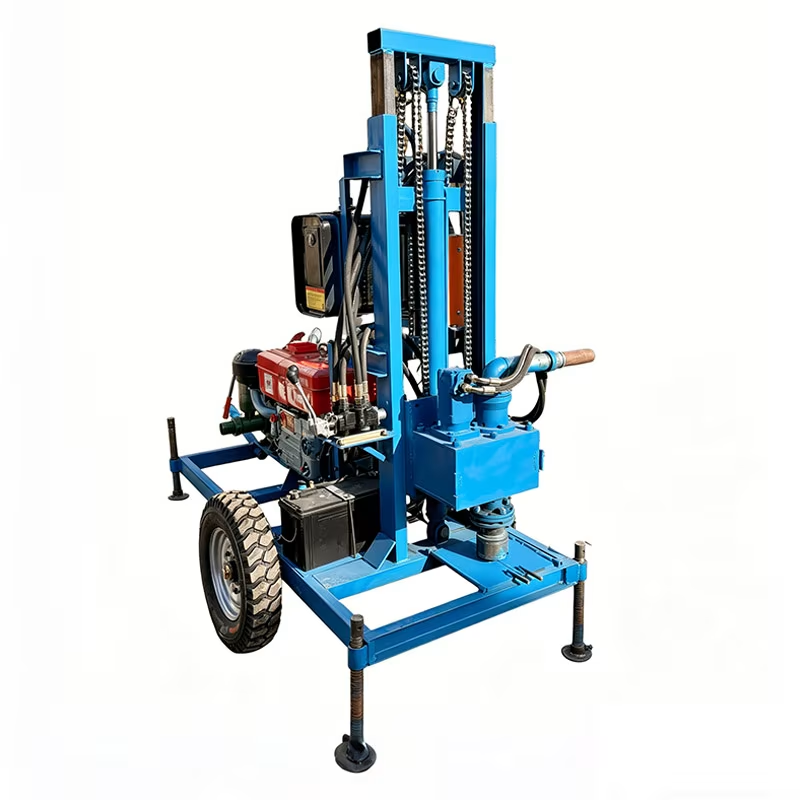
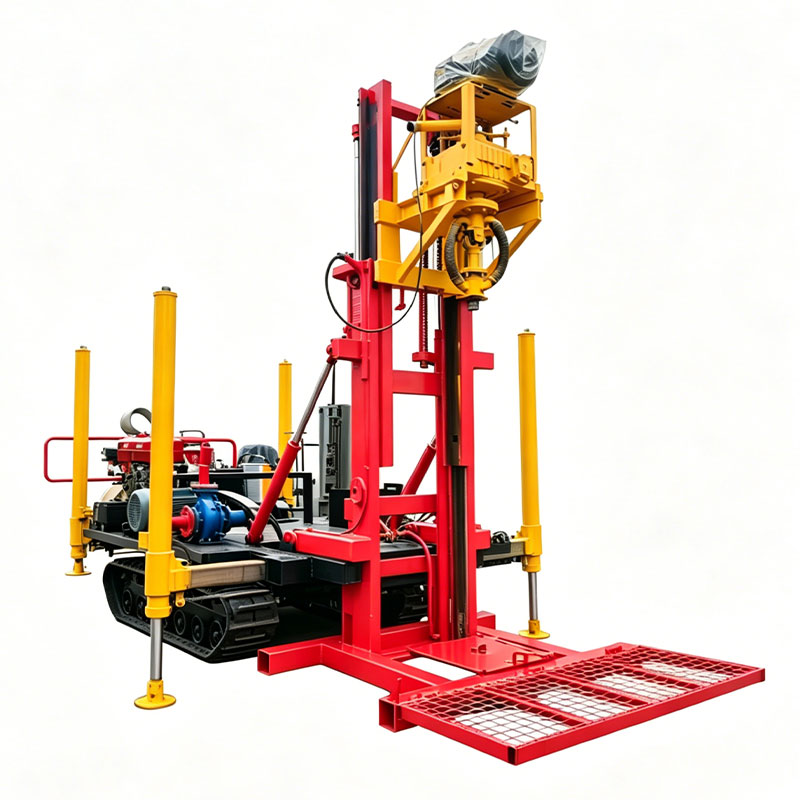
تلاعب: نظام هيدروليكي محمول
العمق: 70.90 مليون بئر
النتيجة: تخفيض تكلفة 40% لكل بئر
الحالة 3: مشروع المياه العميقة الصناعية (آسيا 2023)
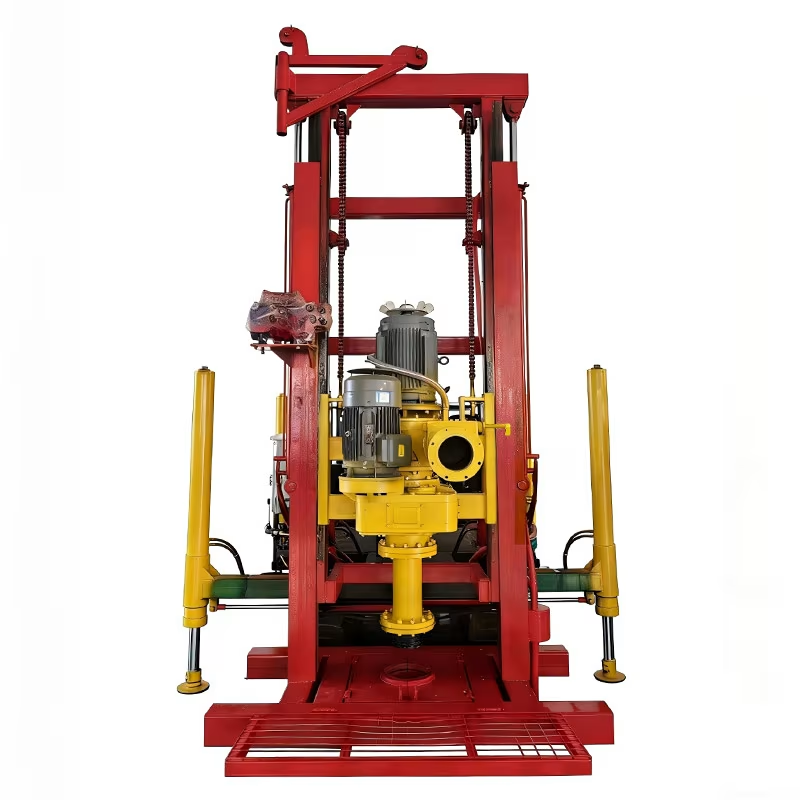
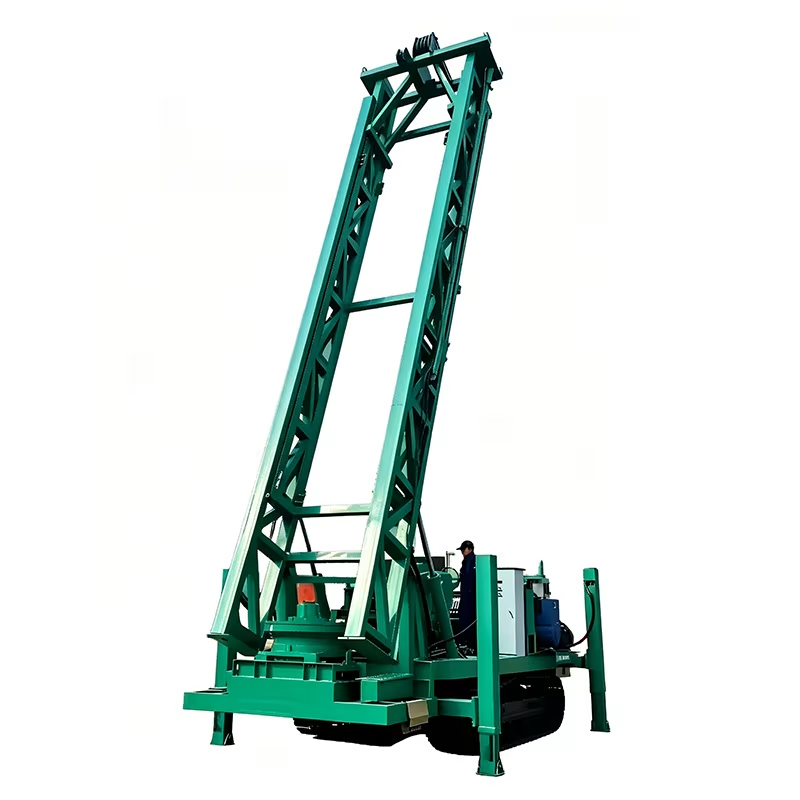
تلاعب: نظام التداول العكسي
العمق: 280 م
النتيجة: تحسين كفاءة 25%، وانهيار البئر صفر
أخبار الصناعة واتجاهات التكنولوجيا (توقعات 2026)
أنظمة الحفر الهيدروليكية الذكية
مراقبة الضغط في الوقت الحقيقي
تحسين الحفر بمساعدة الذكاء الاصطناعي
تنبيهات الصيانة التنبؤية
مضخات هيدروليكية موفرة للطاقة
تقليل استهلاك الوقود بما يصل إلى 18%
تحسين استقرار عزم الدوران تحت الحمل
أنظمة الحفر المعيارية
سهولة استبدال الصاري والمضخة والرأس الدوار
يقلل وقت التوقف عن العمل بمقدار 30%
استراتيجية هندسة الصيانة
صيانة النظام الهيدروليكي
دورة تغيير الزيت: 500-800 ساعة
معايرة الضغط كل 200 ساعة
التحكم في دورة حياة لقمة الحفر
متوسط العمر: 120.400 متر حسب الجيولوجيا
فحص التعب الهيكلي
فحص لحام الصاري كل 6 أشهر
اختبار التحميل سنويا
خاتمة
اختيار الحق جهاز حفر آبار المياه في عام 2026 يتطلب مزيجًا من المعرفة الهندسية والتحليل الجيولوجي وتقييم التكلفة. ومع التقدم في الأنظمة الهيدروليكية، وتكنولوجيا الدوران العكسي، والمراقبة الذكية، توفر الحفارات الحديثة كفاءة أعلى بكثير وتكاليف تشغيل أقل من الأنظمة التقليدية.
يمكن لجهاز الحفر المطابق علميًا تقليل التكلفة الإجمالية للمشروع عن طريق 20pon50% مع تحسين أداء الحفر واستقرار البئر.