Свяжитесь
* Ваша личная информация надежно защищена и будет использоваться только в целях делового общения.
Добро пожаловать в наш блог. мы являемся профессиональным производителем строительной техники, специализирующимся на высокопроизводительных буровых установках, погрузчиках и компактном оборудовании для глобальных инженерных проектов.
👉 Следуйте за нами для последних обновлений и идей проекта
👉 Свяжитесь с нами для быстрых котировок и индивидуальных машинных решений
Следите за нашим блогом, чтобы получить больше информации об отрасли и инженерном опыте.
В современной инфраструктуре, разведке энергии и водохозяйственной инженерии буровая установка стал одним из наиболее важных элементов оборудования, влияющих на успех проекта, экономическую эффективность и долгосрочную эксплуатационную безопасность.
От установки городского подземного трубопровода до бурения глубоководных скважин в отдаленных районах технология бурения напрямую определяет, будет ли проект выполнен вовремя и в рамках бюджета.
Согласно отчету Глобальной ассоциации строительной техники (GCEA) за 2024 год, более 68% проектов подземной инфраструктуры по всему миру теперь опираются на механизированные системы буровых установок, заменяя традиционные методы ручной выемки из-за их скорости, точности и уменьшения нарушения окружающей среды.
Современные буровые установки интегрируют:
Эта эволюция превратила бурение из механического процесса в а инженерная операция, управляемая данными.
Современные буровые установки классифицируются на основе функция, метод циркуляции и конструктивное проектирование.
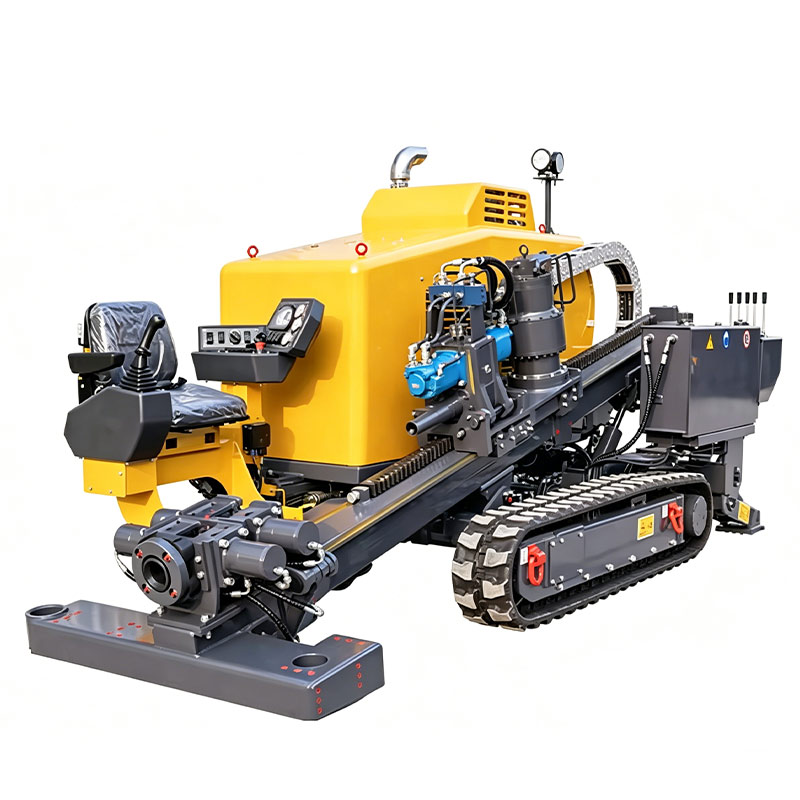
Предназначен для бестраншейного подземного монтажа трубопроводов без поверхностной выемки.
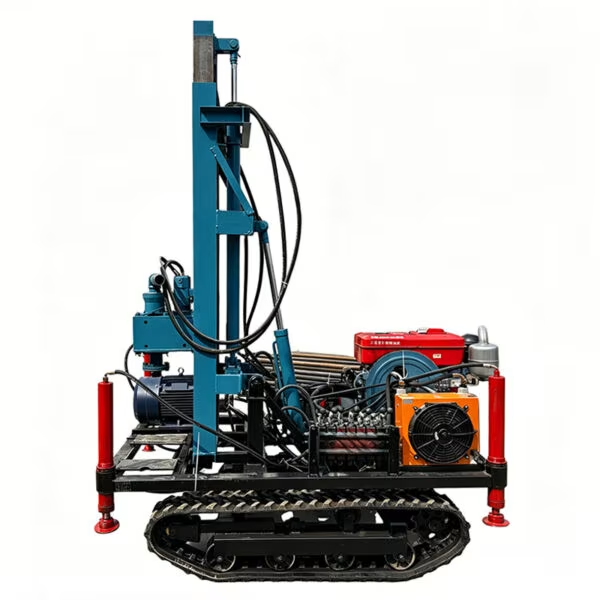
Используется для вертикального бурения в сельском хозяйстве, коммунальном, промышленном водоснабжении.
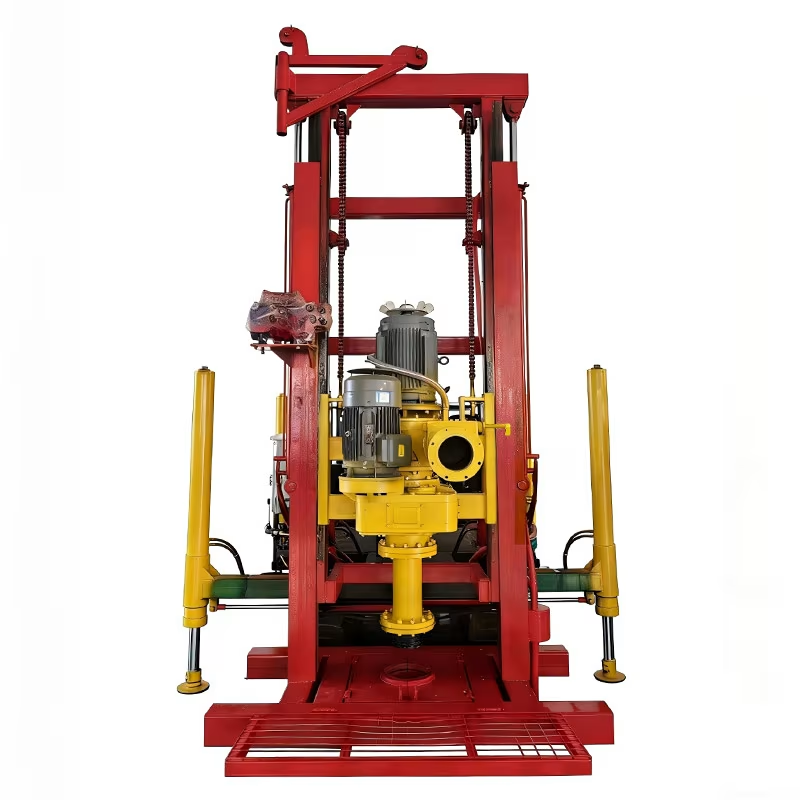
Высокоэффективная система глубокого бурения с использованием внутреннего удаления шлама.
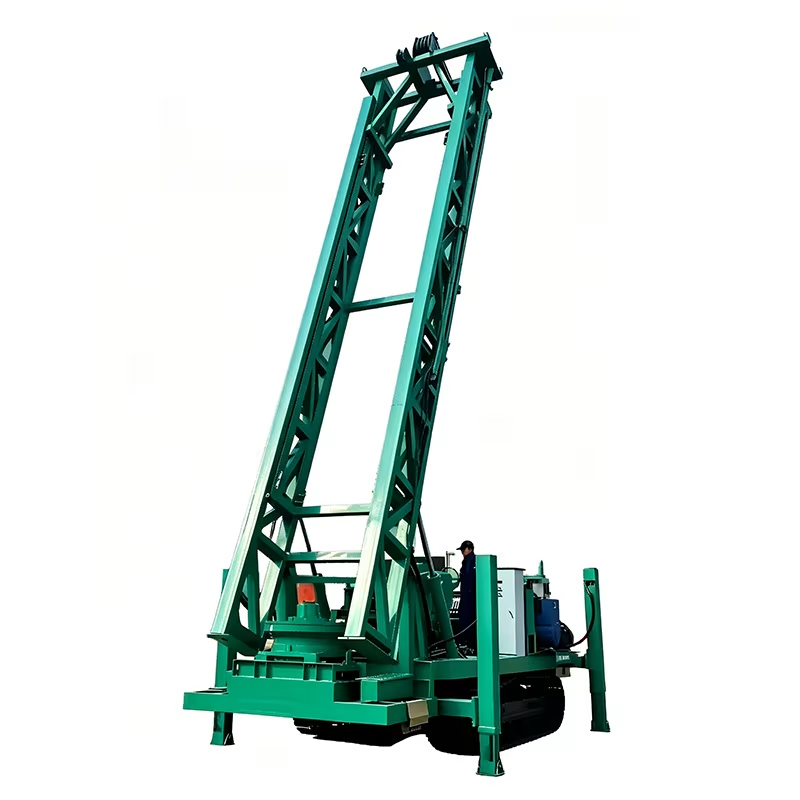
Традиционная система высокого крутящего момента для скважин глубокого и большого диаметра.
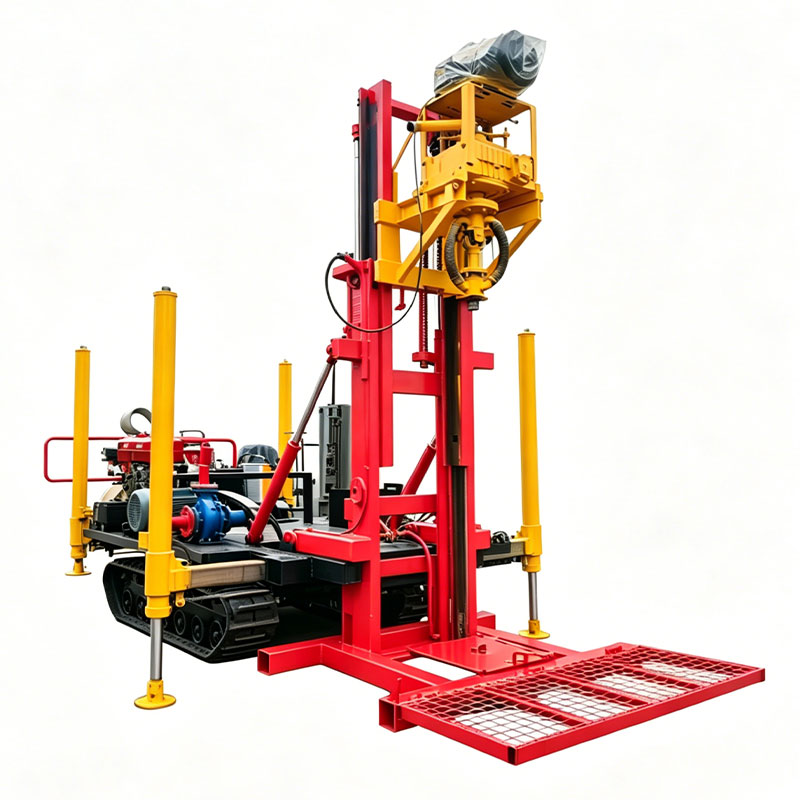
Экономичное решение для бурения на мелко- и средней глубине.
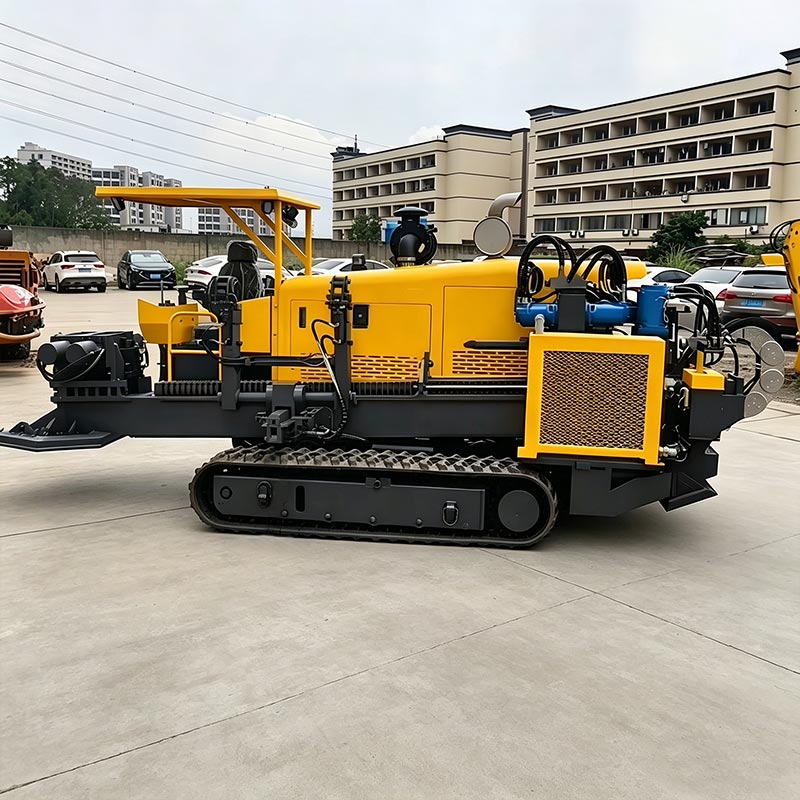
Горизонтально-направленная буровая установка предназначена для нераскопочная трубопроводная установка, значительно уменьшая разрушение поверхности.
Вместо рытья траншей система бурит под землей, используя управляемый контроль траектории.
Предоставляет до Усилие тяги 180 кН, обеспечива проникновение через плотный грунт и смешанные геологические формации.
Современные системы используют электромагнитное наведение и цифровое картографирование, уменьшение отклонения до менее 1.5% в стандартных условиях.
Позволяет работать на неровной местности, повышая адаптируемость площадки 40 — 60% по сравнению с колесными установками.
| Параметр | Значение |
|---|---|
| Максимальная сила тяги/толкания | 180 кН |
| Крутящий момент | 8000 Н·м |
| Глубина бурения | 300 м |
| Мощность двигателя | 75 кВт |
| Тип системы | Гидравлический Гусеничный |
В немецком муниципальном проекте для установки использовались буровые установки с жестким диском 1,2 км подземных водопроводов под шоссе.
Результаты:
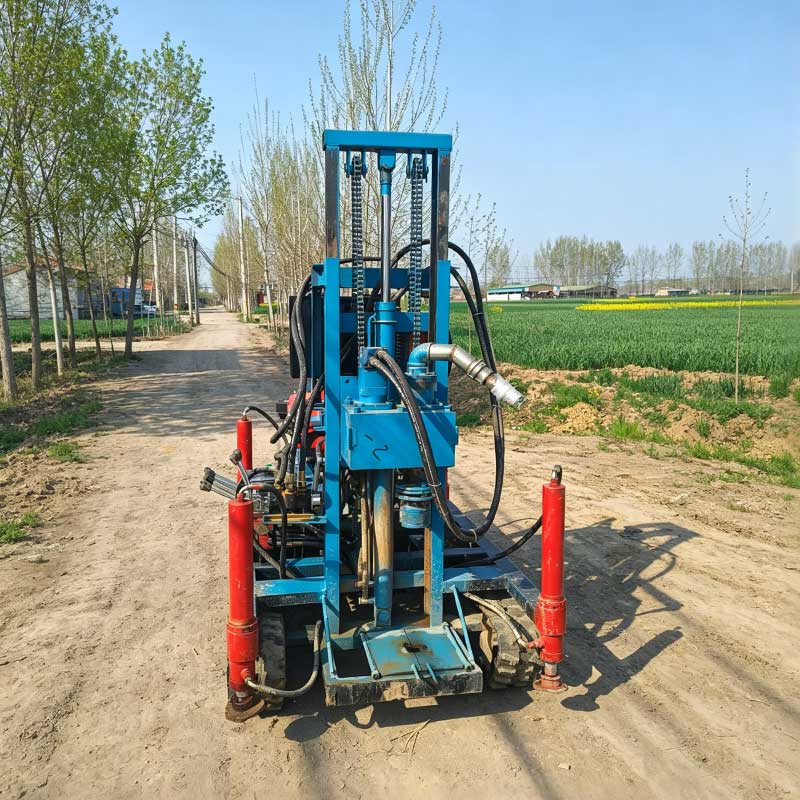
Эта буровая установка предназначена для мелкомасштабные системы забора воды и орошения, особенно в сельской или сельскохозяйственной среде.
Он использует полную систему гидравлического привода для поддержания стабильного крутящего момента.
Гусеничная система улучшает адаптируемость местности до 70% в мутных полях.
Требует меньшего количества операторов по сравнению с роторными системами, что снижает затраты на рабочую силу 30 — 45%.
Обратное циркуляционное бурение использует двухканальные бурильные трубы для транспортировки шлама вверх по внутренней циркуляции, повышая эффективность.
Увеличивает скорость сверлени на 30 — 50% по сравнению с установками прямой циркуляции.
Снижает риск обрушения рыхлых почвенных образований.
Поддерживает сверление до Диаметр 1800 мм, идеально подходит для проектирования фундамента.
| Параметр | Значение |
|---|---|
| Глубина | до 300 м |
| Диаметр | 300 — 1800 мм 300 1800 мм |
| Система привода | Гидравлический/Электрический/Дизельный |
| Повышение эффективности | +45% средний |
В масштабном проекте водной инфраструктуры использовались установки обратной циркуляции:
В буровой установке дискового типа используется а система поворотного стола для передачи крутящего момента непосредственно на бурильную колонну, что делает его пригодным для глубокого бурения.
Высокий крутящий момент позволяет бурить твердые скальные образования и плотные геологические слои.
Механическа структура снижает вибрацию и повышает точность скважины.
Буровой раствор закачивают по бурильной трубе и возвращают через кольцевое пространство, несущее шламы.
| Параметр | Значение |
|---|---|
| Глубина | 100 (диск) 300 м 100 м (100) 300 м (100 м) |
| Диаметр | 110 — 110 — мм 300 мм |
| Двигатель | 25 — 55 кВт |
| Вес | 2.8 (2.8) 4,5 тонны |
Современные буровые установки должны соответствовать международным стандартам:
| Коэффициент стоимости | Процент от общей стоимости |
|---|---|
| Покупка оборудования | 40% |
| Топливо и энергия | 25% |
| Техническое обслуживание | 20% |
| Труд | 10% |
| Транспорт | 5% |
Высококачественная буровая установка снижает затраты на долгосрочное обслуживание до 35% свыше 10 лет.
К распространенным отказам буровых установок относятся
Профилактическое обслуживание сокращает время простоя до 60%.
Имитируйте условия подземного бурения в режиме реального времени.
Автоматически регулирует крутящий момент и давление.
Отслеживайте вибрацию, температуру и скорость бурения удаленно.
Реверсивные циркуляционные установки являются наиболее эффективными для глубокого и большого диаметра бурения.
Горизонтальные наклонно-направленные буровые установки лучше всего подходят благодаря выемке на нулевой поверхности.
Обычно 10 (диск) и 20 лет использования в зависимости от интенсивности обслуживания.
Прямая циркуляция и небольшие гидравлические установки являются наиболее экономически эффективными.
Да, дисковый тип и установки обратной циркуляции предназначены для твердых пород.
Эволюция буровая установка промышленности отражает сдвиг в сторону автоматизация, эффективность и экологическая устойчивость. Каждый тип буровой установки служит определенной инженерной цели: от неглубоких сельских скважин до глубокой городской инфраструктуры и промышленных фундаментов.
Выбор правильной системы требует понимания:
Современные буровые установки - это уже не просто машины интегрированные инженерные системы, формирующие глобальное развитие инфраструктуры.