Свяжитесь
* Ваша личная информация надежно защищена и будет использоваться только в целях делового общения.
Добро пожаловать в наш блог. мы являемся профессиональным производителем строительной техники, специализирующимся на высокопроизводительных буровых установках, погрузчиках и компактном оборудовании для глобальных инженерных проектов.
👉 Следуйте за нами для последних обновлений и идей проекта
👉 Свяжитесь с нами для быстрых котировок и индивидуальных машинных решений
Следите за нашим блогом, чтобы получить больше информации об отрасли и инженерном опыте.
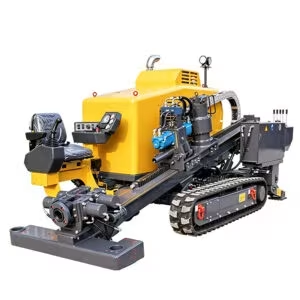
Глобальный строительный и энергетический секторы претерпевают серьезные преобразования, вызванные урбанизацией, экологическим регулированием и модернизацией инфраструктуры. В рамках этого сдвига наклонно-направленная буровая установка стала важнейшей технологией для подземного монтажа трубопроводов и бестраншейного машиностроения.
Ожидается, что к 2026 году спрос в отрасли значительно вырастет благодаря увеличению инвестиций в транспортировку нефти и газа, муниципальные коммунальные услуги и сети связи. Согласно отчетам о глобальном инфраструктурном оборудовании, внедрение бестраншейного бурения увеличилось более чем 35% за последние пять лет, особенно в густонаселенных городских районах.
Современные системы направленного бурения больше не являются просто механическими машинами (они представляют собой интеллектуальные инженерные платформы, сочетающие в себе гидравлическое питание, цифровую навигацию и автоматизированные системы управления).
Современные установки все чаще оснащаются системами автоматизации, позволяющими в режиме реального времени контролировать направление бурения, давление и скорость.
Эти системы уменьшают человеческие ошибки и повышают точность в сложных геологических средах.
Система наведения является основой современных операций направленного бурения. Она обеспечивает точность буровых путей даже в переменных условиях грунта.
Усовершенствованные датчики и навигационные модули постоянно регулируют направление бурения, чтобы избежать препятствий.
| Особенность | Направленный буровой станок | Открытые раскопки |
|---|---|---|
| Разрушение поверхности | Минимальный | Высокий |
| Скорость строительства | Быстрее | Медленнее |
| Воздействие на окружающую среду | Низкий | Высокий |
| Городская пригодность | Отлично | Ограниченный |
| Экономическая эффективность (долгосрочная) | Высокий | Средний |
При направленном бурении используется бестраншейный метод, позволяющий устанавливать трубопроводы под землей без крупномасштабной выемки.
Это значительно снижает поверхностные повреждения и затраты на восстановление.
Традиционные раскопки требуют копания на всей поверхности, что увеличивает трудозатраты, воздействие на окружающую среду и продолжительность проекта.
Гидравлические системы обеспечивают основную движущую силу для буровых работ, обеспечивая стабильный крутящий момент и тягу.
Они предназначены для поддержания стабильной производительности в условиях высокой нагрузки.
Системы с высоким крутящим моментом позволяют буровым установкам бурить твердые породы, глину и слои смешанного грунта.
Эта возможность необходима для установки подземных трубопроводов на большие расстояния.
| Параметр | Спецификация |
|---|---|
| Максимальная тяга/тяговая сила | 180 кН |
| Макс Крутящий момент вращения | 8000 Н·м |
| Диаметр бурового стержня | 73 мм |
| Максимальная глубина сверления | 300 м |
| Мощность двигателя | 75 кВт |
| Система путешествий | Гусеничный тип |
| Вес машины | 6500 кг |
| Размер машины | 4,2м × 2,1м × 2,2м |
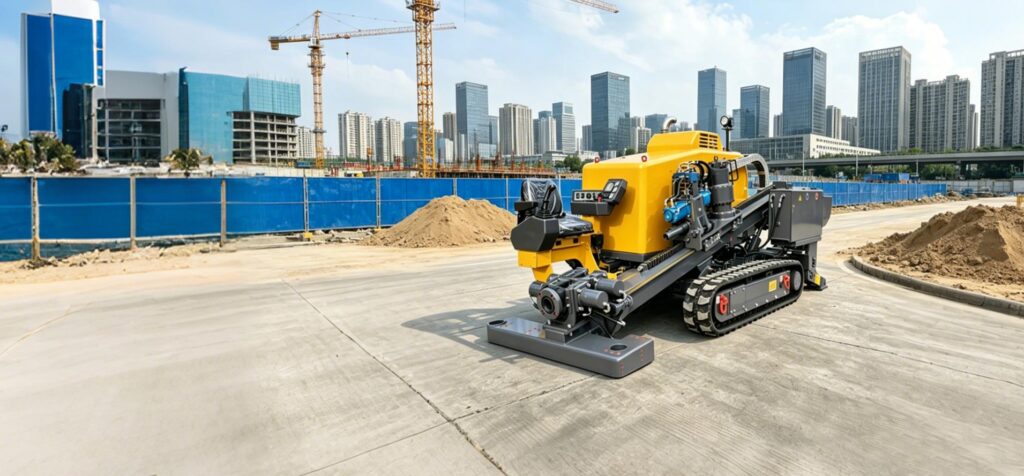
Направленные буровые установки широко используются в городских районах, где земляные работы ограничены.
Они позволяют прокладывать трубопроводы под дорогами, зданиями, густонаселенными зонами.
В нефтегазовой промышленности буровые установки используются для прокладки подземных трубопроводов на большие расстояния.
Они уменьшают воздействие окружающей среды, сохраняя при этом высокую точность установки.
Направленное сверление необходимо для прокладки оптоволоконных и коммуникационных кабелей.
Это обеспечивает быстрое развертывание подземных сетей без нарушения трафика или инфраструктуры.
Безобраншейное бурение значительно снижает ущерб окружающей среде по сравнению с традиционными методами земляных работ.
Он защищает реки, дороги и экологические зоны.
Современные установки сокращают сроки реализации проекта за счет интеграции автоматизированных систем управления бурением и систем с высоким крутящим моментом.
Это повышает общую производительность строительства.
Сокращение земляных работ приводит к созданию более безопасных строительных условий, особенно в городских условиях.
Это сводит к минимуму риски, связанные с открытыми траншеями и воздействием тяжелой техники.
| Фактор | Направленный буровой станок | Обычный метод экскаватора |
|---|---|---|
| Тип конструкции | Безобраншейный | Открытая раскопка |
| Городская пригодность | Высокий | Низкий |
| Требование к труду | Нижний | Высшее |
| Воздействие на окружающую среду | Минимальный | Высокий |
| Точность установки | Высокий | Средний |
В муниципальном проекте использовались наклонно-направленные буровые установки для прокладки водопроводов под крупной автомагистралью.
Результаты:
Для прокладки газопроводов под рекой использовалась бестраншейная буровая система.
Результаты:
Направленные буровые установки проложили оптоволоконные кабели по плотным городским территориям.
Результаты:
Отрасль движется к платформам цифрового строительства, сочетающим искусственный интеллект, Интернет вещей и мониторинг в реальном времени.
Будущие установки будут иметь следующие характеристики
Более строгая экологическая политика ускоряет внедрение бестраншейных технологий.
Правительства продвигают методы строительства с низкой отдачей в развитии городской инфраструктуры.
В отраслевых отчетах говорится, что спрос на бестраншейное буровое оборудование растет примерно на 100% 6 — глобально % CAG за счет модернизации инфраструктуры.
Выбор правильной буровой установки зависит от геологических условий, глубины проекта и типа трубопровода.
Современный наклонно-направленная буровая установка системы все чаще разрабатываются в соответствии со строгими международными инженерными рамками для обеспечения безопасности, надежности и совместимости.
Ключевые глобальные стандарты включают в себя
Эти стандарты определяют:
В отчете о соответствии бурового оборудования за 2024 год указано, что
Современные установки все больше интегрируются с системами мониторинга на основе Интернета вещей, которые позволяют проводить диагностику в режиме реального времени.
Эти системы собирают данные из:
Искусственный интеллект сейчас используется для оптимизации траекторий подземного бурения.
Система анализирует:
Производство современных буровых установок осуществляется с использованием систем точного машиностроения промышленного уровня.
Ключевые процессы включают в себя
На основе отраслевых производственных отчетов:
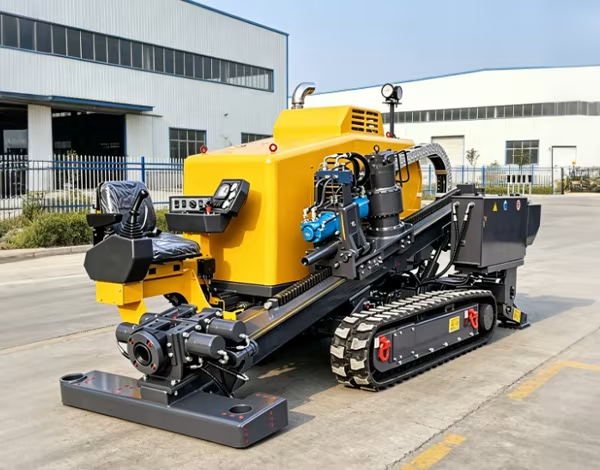
Высокопроизводительные буровые установки определяются стабильностью крутящего момента при изменении нагрузки.
Гидравлический КПД напрямую влияет на расход топлива и скорость бурения.
Современные системы достигают:
| Компонент затрат | Процентная доля |
|---|---|
| Приобретение оборудования | 35 — 45% |
| Топливо и энергия | 20 — 25% |
| Техническое обслуживание | 15 — 200% |
| Труд | 10 — 15% |
| Простой потери | 5 — % |
Исследование инвестиций в инфраструктуру 2025 года показало
Технология направленного бурения значительно снижает нарушение окружающей среды за счет исключения открытых земляных работ.
Ключевые экологические преимущества:
Современные подрядчики все чаще обязаны соблюдать рамки ESG:
В 1200-метровом проекте наклонно-направленного бурения использовались установки с высоким крутящим моментом для установки пустынной местности.
Результаты:
В масштабном телекоммуникационном проекте использовались компактные жесткие диски в городских ядрах.
Результаты:
Направленное бурение используется в нестабильных почвенных и паводкоопасных регионах.
Результаты:
Производители переходят к локализованным узлам цепочки поставок, чтобы сократить задержки в логистике.
Ключевые стратегии:
Современные буровые установки разрабатываются в строгих рамках HSE для защиты операторов и окружающей среды.
Ключевые системы включают в себя:
Аудит безопасности отрасли показывает:
| Технология | Уровень зрелости | Эффективность | Область применения |
|---|---|---|---|
| Направленная буровая установка | Высокий | Очень Высокий | Глобальная инфраструктура |
| Микротоннелирование | Средний | Высокий | Городские канализационные системы |
| Поддомкрачивание труб | Средний | Средний | Малоудаленные трубопроводы |
| Лазерное расточительство | Возникающий | Очень Высокий | Точные микропроекты |
Будущие системы будут интегрироваться:
Буровые установки нового поколения будут сосредоточены на
Технология цифрового двойника будет моделировать:
Эволюция наклонно-направленная буровая установка отражает более широкий сдвиг в глобальном строительстве в сторону более разумных, чистых и эффективных инженерных решений. к 2026 году бестраншейные технологии продолжат расширяться в инфраструктуре, энергетике и коммуникациях.
С развитием автоматизации, гидравлических систем и технологий цифрового наведения наклонно-направленные буровые установки становятся важным оборудованием для современных проектов подземного строительства.
Он используется для установки подземных трубопроводов без земляных работ, особенно в городских и чувствительных условиях.
Современные системы могут достигать глубины до 300 метров в зависимости от модели и геологических условий.
Да, в большинстве городских и экологически чувствительных проектов из-за меньшего разрушения поверхности.
Их широко используют нефтегазовый, коммунальный, телекоммуникационный и муниципальный инфраструктурные отрасли.
Сочетание автоматизации, точного наведения и соблюдения экологических требований делает его высокоэффективным и устойчивым.